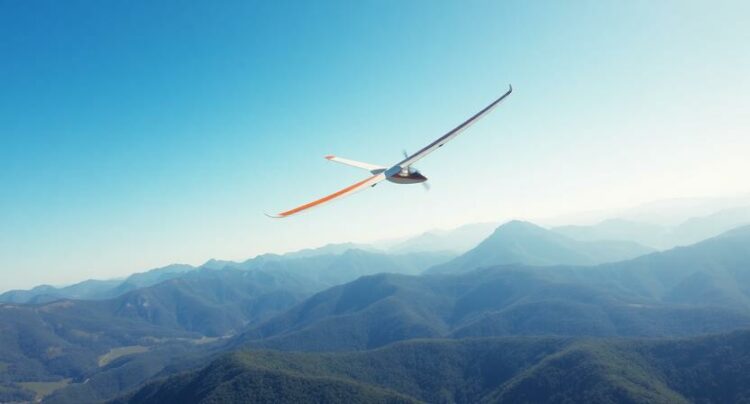
For many people, the idea of flying in an aircraft without an engine sounds dangerous. The first question future pilots often ask is simple: are gliders safe?
The short answer is yes. Modern gliders are remarkably safe when flown correctly, and the sport has developed a strong safety culture over decades of operation in the United States. Still, like every form of aviation, gliding carries risks. Understanding those risks, and how pilots manage them, is what separates myth from reality.
This guide breaks down FAA safety data, compares gliding with other aviation categories, explains the most common causes of accidents, and shows what actually keeps glider pilots safe in the air.
What Is a Glider?
A glider, also called a sailplane, is an aircraft designed to fly without an engine. Instead of relying on thrust, gliders use rising air currents called thermals, ridge lift, and wave lift to remain airborne.
Modern gliders are highly engineered aircraft with long wings, lightweight composite materials, and impressive aerodynamic efficiency. Some high-performance sailplanes can travel more than 40 miles forward for every 1 mile of altitude lost.
Because gliders have no engine, many people assume they are unsafe. In reality, glider pilots are trained extensively in energy management, weather interpretation, and emergency landing procedures.
Are Gliders Safe Compared to Other Aircraft?
Understanding Aviation Risk
Every type of aviation involves risk. Commercial airlines, helicopters, general aviation airplanes, ultralights, paragliders, and gliders all operate in different environments with different accident patterns.
Gliding falls under general aviation in FAA statistics, but it differs from powered flight in important ways:
- Gliders usually fly during daylight and good weather
- Most flights remain within glide distance of a landing area
- Pilots receive focused emergency landing training from the beginning
- Gliders operate at lower speeds than many powered aircraft
These factors influence the safety profile of gliding.
FAA and NTSB Safety Data
According to data collected by the FAA and the National Transportation Safety Board, glider accidents do occur every year in the United States, but fatal accident numbers remain relatively low compared to the total number of operations.
The majority of serious accidents are linked to pilot decision-making rather than mechanical failure. Common contributing factors include:
- Low-altitude maneuvering
- Weather misjudgment
- Stall and spin incidents
- Improper landing approaches
- Midair collision risk in crowded thermal areas
Mechanical failures are less common because gliders have simpler systems than powered aircraft. Without an engine, there are fewer components that can fail during flight.
How Safe Are Gliders for Beginners?
Training Is Designed Around Safety
New pilots often ask how safe are gliders for students with no flying experience.
Glider flight training in the United States is highly structured. Students begin with dual instruction from FAA-certified instructors and practice emergency procedures from the earliest lessons.
Unlike powered-aircraft students who may become dependent on engines, glider students learn immediately how to manage altitude, speed, and landing options.
Key beginner training areas include:
Launch Procedures
Students learn how to respond to tow rope breaks, weak launches, and emergency releases during aerotow or winch launch operations.
Stall Recognition
Glider pilots spend significant time learning to recognize and recover from aerodynamic stalls before they become dangerous.
Pattern and Landing Discipline
Every flight ends with a landing, so instructors emphasize consistent landing patterns, airspeed control, and field selection.
Weather Awareness
Because gliders depend on atmospheric lift, pilots become highly educated about weather conditions, wind patterns, and turbulence.
Why Gliders Can Actually Be Safer Than People Expect
No Engine Does Not Mean No Control
One of the biggest misconceptions about gliding is that losing engine power equals danger. In a glider, there is no expectation of engine thrust in the first place.
Pilots are constantly planning where they can land and how much altitude they need to reach safe areas.
This creates a mindset of continuous contingency planning that improves overall situational awareness.
Gliders Are Built to High Standards
Modern sailplanes are engineered with strong composite structures and undergo strict certification processes.
The FAA regulates glider certification, pilot licensing, maintenance requirements, and operational standards in the United States.
Government aviation safety resources can be found at:
FAA Glider Flying Handbook
FAA Glider Flying Handbook
Federal Aviation Administration
Federal Aviation Administration
National Transportation Safety Board Aviation Database
NTSB Aviation Accident Database
Emergency Landings Are Part of Standard Training
Engine-out landings are emergencies in powered airplanes. In gliders, every landing is essentially a planned power-off landing.
This means glider pilots routinely practice precision approaches and energy management on every flight.
Common Causes of Glider Accidents
Stall and Spin Accidents
One of the most serious risks in gliding involves stalls and spins at low altitude.
These accidents usually occur during turning maneuvers close to the ground, particularly during final approach or thermalling.
Pilots reduce this risk through disciplined airspeed control and proper coordination.
Midair Collisions
Gliders often gather in thermals where multiple aircraft circle in rising air. This increases collision risk if pilots fail to maintain visual separation.
Modern safety practices include:
- Standardized thermalling directions
- Radio communication
- Collision avoidance procedures
- Increasing use of FLARM traffic warning systems
Weather-Related Incidents
Glider pilots rely heavily on weather conditions. Poor decision-making around thunderstorms, strong winds, or mountain wave turbulence can lead to dangerous situations.
Training places major emphasis on weather interpretation and conservative judgment.
Launch Accidents
Some accidents occur during the launch phase, especially during aerotow operations.
Tow rope breaks, improper positioning behind the tow plane, or premature releases can create hazards for inexperienced pilots.
Because launch emergencies are well understood, students repeatedly train for these scenarios.
Are Glider Planes Safe From Mechanical Failure?
Simpler Aircraft Often Mean Fewer Failures
Compared to powered aircraft, gliders have fewer mechanical systems.
No engine means no fuel system failures, no engine fires, and no propeller-related emergencies during normal flight.
However, gliders still require regular inspection and maintenance. Areas that receive close attention include:
- Control surfaces
- Air brakes
- Tow release mechanisms
- Structural integrity
- Canopy systems
FAA-certified mechanics and inspectors oversee maintenance standards for certified gliders.
Modern Materials Improve Safety
Most modern gliders use fiberglass or carbon-fiber composite structures. These materials provide excellent strength while keeping aircraft lightweight.
Advancements in cockpit design, harness systems, and crash protection have also improved survivability in accidents.
Is Paragliding Safe Compared to Gliding?
Many people searching for is paragliding safe are actually comparing different forms of unpowered flight.
Although both activities involve soaring flight, gliding and paragliding are very different.
Key Differences Between Gliding and Paragliding
Gliders are rigid aircraft with enclosed cockpits, flight instruments, and formal FAA licensing requirements.
Paragliders are foot-launched fabric wings that rely heavily on body positioning and flexible canopy control.
Risk Comparison
Paragliding generally has a higher accident rate than sailplane flying because:
- Pilots are more exposed to weather effects
- Canopy collapses can occur
- Flights often happen at lower altitudes near terrain
- Protection structures are limited
Gliders benefit from stronger structural protection, greater glide performance, and more formalized training systems.
That does not mean paragliding is unsafe, but the risk profile differs significantly.
Safety Equipment Used in Modern Gliders
Parachutes
Many glider pilots wear emergency parachutes during flight, especially in high-performance or aerobatic operations.
FLARM Collision Systems
FLARM devices help pilots detect nearby aircraft and reduce collision risk.
Radios and GPS
Modern cockpits often include radios, moving maps, variometers, and advanced flight computers that improve situational awareness.
Emergency Locator Equipment
Some pilots carry personal locator beacons or emergency communication devices for cross-country flights.
What Makes Experienced Glider Pilots Safer?
Decision-Making Matters Most
Aviation safety studies consistently show that pilot judgment is one of the biggest factors in accident prevention.
Experienced glider pilots develop strong habits around:
- Weather evaluation
- Conservative go/no-go decisions
- Maintaining landing options
- Avoiding low-altitude risk-taking
- Managing fatigue and hydration
Continuous Training
Many pilots participate in recurrent training, safety seminars, and proficiency flights each year.
The Soaring Society of America and FAA both promote ongoing education and standardized safety practices.
How the FAA Regulates Glider Safety
The FAA oversees:
- Glider pilot certification
- Flight instructor certification
- Aircraft airworthiness
- Operating regulations
- Medical eligibility rules
- Training standards
Interestingly, private glider pilots in the United States are not required to hold a traditional FAA medical certificate. However, pilots must still ensure they are medically fit to fly.
FAA regulations related to glider operations are available here:
FAA Pilot Certification Information
FAA Pilot Certification Information
FAA Safety Team
FAA Safety Team
The Psychological Side of Glider Safety
Fear Often Comes From Misunderstanding
People unfamiliar with gliding sometimes assume an aircraft without an engine is automatically dangerous.
In reality, glider pilots train specifically for powerless flight from day one.
Commercial airline pilots spend much of their simulator training preparing for engine failures because losing thrust unexpectedly is abnormal in powered aviation. For glider pilots, silent flight is completely normal.
Confidence Comes With Training
Most students report that fear decreases significantly after a few instructional flights.
As pilots learn how lift works, how gliders maintain energy, and how landings are planned, the aircraft begins to feel predictable rather than risky.
Final Verdict: Are Gliders Safe?
Yes, gliders are generally safe when flown within established training and operational guidelines. Modern sailplanes are well-engineered aircraft, and the sport benefits from a strong culture of discipline, weather awareness, and emergency preparedness.
Like all aviation activities, gliding carries inherent risk. However, most accidents are preventable and linked to human factors rather than catastrophic aircraft failure.
For pilots who receive quality instruction, respect weather conditions, and maintain good decision-making habits, gliding can be one of the safest and most rewarding forms of personal aviation.
The idea of flying silently through rising air may sound intimidating at first, but for thousands of pilots across the United States, gliding represents not danger, but precision, skill, and confidence in the fundamentals of flight.
Related Posts: Safety First: How We Keep Every Glider Flight Secure