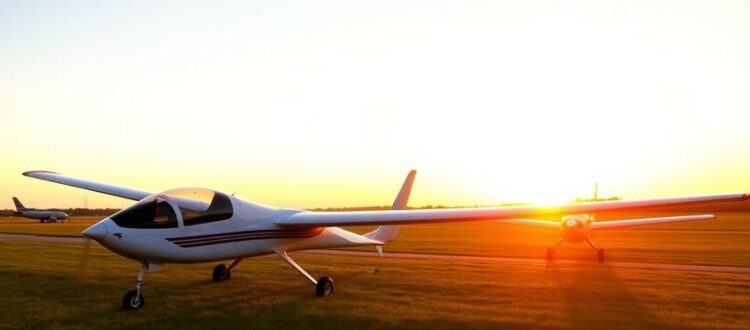
Learning to fly a glider is often the most affordable path into aviation in the United States. Compared with powered aircraft training, gliders require less fuel, simpler aircraft systems, and lower operating costs. That makes them a popular choice for students who want real flight experience without spending tens of thousands of dollars.
Still, the total cost of a glider pilot license can vary widely depending on where you train, how often you fly, and whether you join a soaring club or attend a commercial flight school.
This guide breaks down every major expense involved in earning a glider pilot certificate in the U.S., including training flights, instructor fees, FAA exams, memberships, gear, and optional endorsements.
What Is a Glider Pilot License?
In the United States, the FAA officially calls it a Private Pilot Certificate with a Glider Category Rating. Many people simply refer to it as a glider pilot license.
A glider pilot can legally fly unpowered aircraft such as sailplanes for recreation, sport soaring, and cross-country flying.
The FAA regulates glider pilot certification through the rules found under Part 61 of the Federal Aviation Regulations.
Official FAA source:
Federal Aviation Administration (FAA)
Average Cost of a Glider Pilot License in the USA
Most students spend between $3,000 and $8,000 to complete glider training and earn a certificate.
The final cost depends on several factors:
- Flight frequency
- Aircraft rental rates
- Instructor fees
- Tow launch pricing
- Club membership costs
- How quickly skills are mastered
- Weather delays
- Previous flight experience
Here is a general estimate of typical expenses.
| Expense Category | Estimated Cost |
|---|---|
| Introductory flights | $100 to $300 |
| Club or school membership | $300 to $1,500 yearly |
| Flight instruction | $1,500 to $4,000 |
| Aircraft rental | $1,000 to $3,000 |
| Tow launch fees | $800 to $2,500 |
| FAA knowledge test | $175 |
| FAA practical test | $500 to $1,200 |
| Books and study materials | $50 to $300 |
| Pilot gear and supplies | $100 to $500 |
Why Glider Training Costs Less Than Airplane Training
The cost of glider pilot license programs is lower mainly because gliders do not use engines during flight.
That significantly reduces fuel expenses and maintenance costs.
A traditional private airplane license often costs between $12,000 and $20,000 or more in the U.S. By comparison, soaring training is dramatically cheaper.
Gliders also teach core aviation skills efficiently:
- Energy management
- Weather awareness
- Aerodynamics
- Precision flying
- Landing accuracy
Many professional airline pilots began with glider flying because it builds strong stick-and-rudder skills.
Breakdown of Glider Training Costs
Introductory Discovery Flights
Most students begin with a discovery flight at a soaring club or glider school.
These flights usually include:
- Preflight briefing
- Tow launch
- 15 to 30 minutes of flight time
- Instructor guidance
Typical cost ranges from $100 to $300 depending on altitude and location.
Flight Instruction Fees
Glider instruction is normally billed hourly.
Some schools charge separately for:
- Instructor time
- Aircraft rental
- Tow launch fees
Others bundle everything into one training rate.
Instructor rates typically range from:
- $40 to $100 per hour
The total amount of instruction needed varies from student to student.
FAA Private Pilot Glider Requirements
The FAA has different requirements depending on whether you already hold another pilot certificate.
Official FAA regulations source:
FAA Pilot Certification Standards
For Students With No Previous Pilot Certificate
Most first-time pilots must complete:
- Minimum age of 16 for solo flight
- Minimum age of 17 for certification
- Aeronautical knowledge training
- Flight training with an instructor
- Solo flight experience
- FAA practical test
Unlike airplane training, there is no FAA minimum hour requirement for glider private pilot applicants under Part 61. However, practical proficiency still takes time and experience to develop.
For Existing Airplane Pilots
Pilots who already hold an airplane certificate can add a glider rating more quickly.
In many cases, additional written testing is not required if the pilot already holds a private pilot certificate in another category.
This is one reason glider rating requirements are often attractive to current pilots looking to expand their skills affordably.
Tow Launch Costs
One major expense unique to soaring is tow launching.
A powered tow plane pulls the glider into the air using a tow rope before release.
Tow fees are commonly based on altitude.
Typical tow pricing:
| Tow Height | Average Cost |
|---|---|
| 2,000 feet | $30 to $60 |
| 3,000 feet | $40 to $75 |
| 4,000 feet | $50 to $100 |
Since students require many launches during training, these costs add up quickly.
Some clubs offer discounted launch packages for members.
Club Membership vs Commercial Flight Schools
Soaring Clubs
Many pilots train through nonprofit soaring clubs.
Clubs are usually the cheapest option because members share aircraft ownership and operational expenses.
Benefits often include:
- Lower hourly costs
- Access to club gliders
- Community support
- Volunteer instructors in some cases
Annual dues can range from $300 to over $1,500 depending on the organization.
Commercial Glider Schools
Commercial schools tend to cost more but may offer:
- Faster scheduling
- Full-time instructors
- Accelerated training
- Better aircraft availability
Students with limited time often prefer commercial programs because they can train intensively over a few weeks.
FAA Written Exam Fees
The FAA knowledge test is sometimes required depending on your existing certificates and training path.
Testing centers generally charge around $175.
FAA testing information:
FAA Airman Testing Information
Study materials may include:
- FAA handbooks
- Online courses
- Practice exams
- Flight manuals
Practical Test and Checkride Costs
The final step is the FAA practical test, commonly called the checkride.
An FAA-designated examiner evaluates:
- Flight skills
- Safety procedures
- Aeronautical knowledge
- Weather understanding
- Emergency operations
Typical examiner fees range from:
- $500 to $1,200
Aircraft rental and tow fees for the checkride are usually additional.
Books, Supplies, and Pilot Gear
Training materials are relatively inexpensive compared with other aviation costs.
Students commonly purchase:
- Logbook
- FAA manuals
- Kneeboard
- Aviation headset
- Sunglasses
- Flight computer apps
Most beginner pilots spend between $100 and $500 total.
How Long Does Glider Training Take?
Training length depends heavily on frequency.
Students who fly every weekend often finish in:
- 3 to 12 months
Accelerated schools may complete training much faster.
Students who fly infrequently generally spend more because skills fade between lessons and additional practice becomes necessary.
Factors That Increase Glider License Cost
Several common issues can raise overall expenses.
Weather Delays
Glider operations rely heavily on weather conditions.
Poor wind conditions, storms, or weak thermal activity can reduce training opportunities.
Infrequent Flying
Students who train only occasionally often require extra review lessons.
Consistent flying is usually cheaper in the long run.
High-Cost Locations
Training near major metropolitan areas can significantly increase rates for:
- Aircraft rental
- Instructor time
- Membership dues
- Tow operations
Motor Glider License Requirements
Motor gliders combine glider characteristics with a small engine system.
The FAA classifies some aircraft as powered gliders or touring motor gliders depending on design and certification.
Motor glider license requirements can vary based on:
- Aircraft classification
- Existing pilot certificates
- FAA operating limitations
Some motor gliders may require additional endorsements or airplane privileges.
FAA aircraft certification information:
FAA Aircraft Certification Resources
Is a Glider Pilot License Worth It?
For many aviation enthusiasts, glider flying provides one of the purest forms of flight.
Advantages include:
- Lower training costs
- Excellent skill development
- Strong understanding of aerodynamics
- Access to competitive soaring
- Scenic cross-country flying opportunities
Many pilots later transition into powered aircraft with stronger flying fundamentals.
Ways to Reduce the Cost of Glider Training
Join a Soaring Club
Clubs are usually far cheaper than commercial schools.
Fly Consistently
Regular training reduces repeated review lessons.
Buy Training Packages
Some schools offer prepaid discounts.
Study Before Lessons
Ground preparation improves training efficiency.
Volunteer at the Airfield
Some clubs provide reduced fees for active volunteers.
Final Thoughts
The cost of glider pilot license training in the United States is considerably lower than most other forms of aviation training. While total expenses vary by location and training style, many students can realistically complete their certification for under $8,000.
For aspiring pilots looking for an affordable entry into aviation, soaring remains one of the best options available. Beyond the financial savings, glider flying teaches discipline, weather awareness, and aircraft control skills that benefit pilots throughout their aviation journey.
Whether you plan to pursue recreational soaring or eventually move into powered aircraft, glider training offers a rewarding and cost-effective way to begin flying.
Related Posts: How to Get Your Glider Pilot License in the U.S.: Step-by-Step Guide