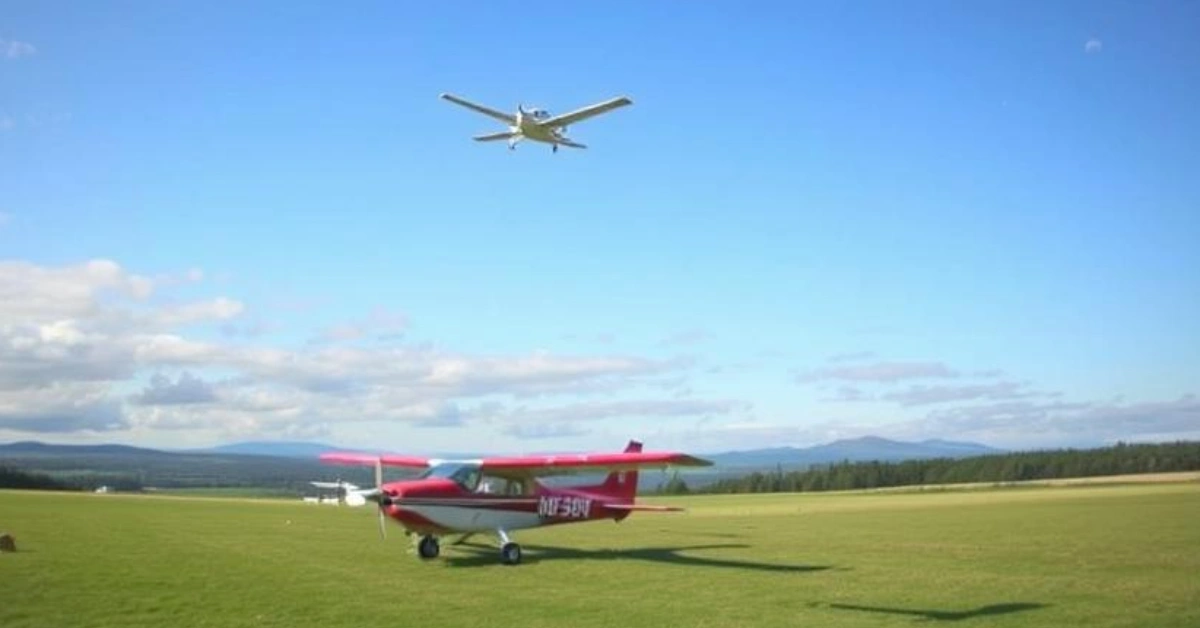
For many people, soaring is more than a sport—it’s a way of life. Joining a soaring club means becoming part of a tight-knit community of aviation enthusiasts who share a passion for flying without engines. But what does a typical day at a soaring club actually look like? From the moment the sun rises to the last glider safely tucked in the hangar, here’s a glimpse into the rhythm of a soaring club member’s day.
Morning: Preparing for Flight
The day begins early at the gliderport. Members and students gather at the clubhouse for a quick briefing. Safety, weather forecasts, and flight plans are discussed. Who will fly first, who’s towing, and what the day’s soaring conditions look like are all covered.
After the briefing, it’s time for pre-flight preparations:
- Rolling gliders out of the hangar
- Inspecting wings, control surfaces, and instruments
- Checking tow ropes and safety gear
- Preparing the tow plane or winch for launches
This teamwork builds camaraderie—every member has a role to play in making the day run smoothly.
The Science of Soaring: How Gliders Stay in the Sky Without Engines
Late Morning: Taking to the Skies
Once everything is ready, the flying begins. Pilots climb into the cockpit, with instructors flying alongside students in two-seaters and licensed pilots flying solo or with passengers.
The launch is always exciting: a short roll on the runway, then the graceful climb behind the tow plane or the sharp pull from the winch. Once released, the glider is free, riding the air in silence.
Some pilots practice maneuvers or training exercises. Others chase thermals to climb higher and venture farther. The sky fills with soaring birds and sleek sailplanes, each pilot experiencing the magic of silent flight in their own way.
Afternoon: Soaring Adventures
By midday, thermals are often at their strongest. This is when pilots attempt longer flights—sometimes hours in duration. Cross-country pilots may leave the immediate area, exploring the countryside below while carefully plotting their route from one source of lift to the next.
Back at the airfield, members not flying are helping with ground operations: running wings during takeoff, handling radios, towing gliders back to the launch area, or preparing the next pilot for flight. In a soaring club, flying is a team effort.
Evening: Wrapping Up the Day
As the sun begins to lower, the last flights of the day return. Pilots line up for smooth landings, often greeted by friends and club members waiting on the ground.
Afterward, it’s time to put the aircraft away. Gliders are carefully inspected, cleaned, and rolled back into the hangar. Logs are updated with the day’s flight times, and everyone helps pack up equipment.
The day usually ends back at the clubhouse, with pilots sharing stories, laughs, and sometimes a meal together. Conversations range from technical flying tips to the simple joy of describing a particularly beautiful view from the air.
More Than Just Flying
Being part of a soaring club isn’t just about the flights—it’s about the community. Members support each other, celebrate achievements, and help newcomers discover the sport. Many lifelong friendships are formed on the runway, in the cockpit, or over post-flight coffee at the clubhouse.
Why Join a Soaring Club?
A soaring club offers more than a way to learn to fly. It provides:
- Training and mentorship from experienced pilots
- Access to gliders and tow services at a fraction of private ownership cost
- Camaraderie with a passionate community
- Adventure every time you take to the sky
For those who love aviation, nature, and a challenge, joining a soaring club is the beginning of a lifelong adventure.