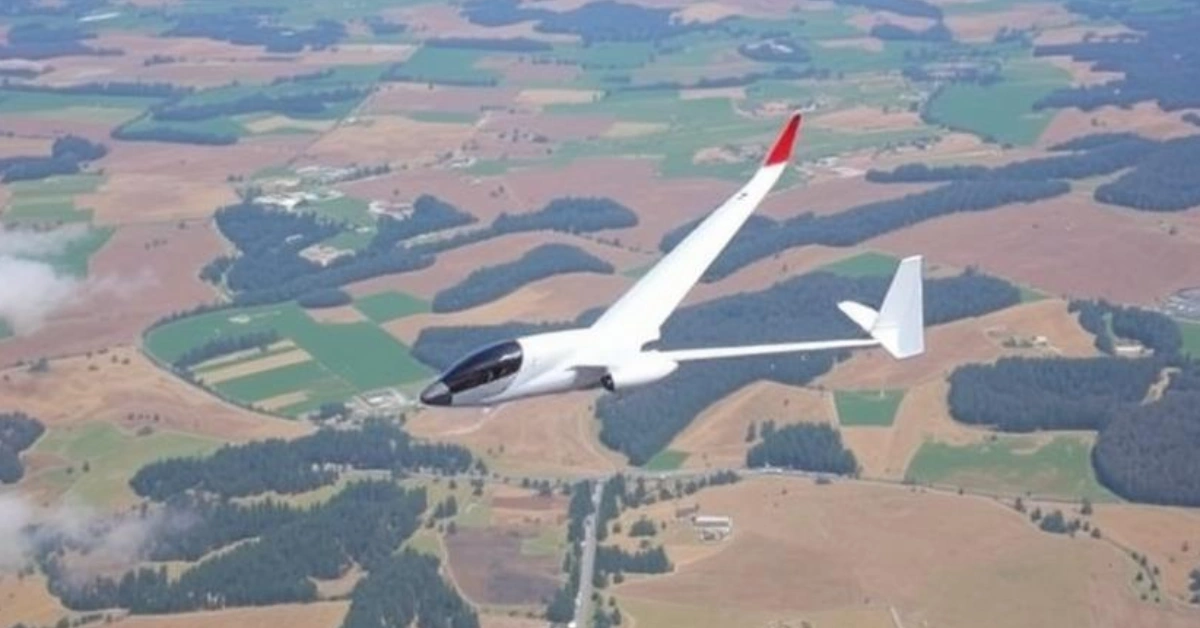
Flying silently over forests, lakes, and hills without an engine is one of the most exhilarating experiences a person can have. But how does someone go from a curious newcomer to a certified glider pilot? The journey involves training, practice, and understanding the science of flight. If you’ve ever dreamed of soaring, here’s a detailed guide on how to become a glider pilot.
Step 1: Find a Local Soaring Club
The first step to learning to soar is joining a gliding or soaring club. Clubs provide:
- Access to gliders and tow planes
- Experienced instructors
- Safety training and guidelines
- A community of fellow pilots
Most clubs welcome beginners and offer introductory flights so you can experience gliding firsthand before committing to full training.
Step 2: Introductory Flights
Before formal lessons, most new pilots take an introductory or discovery flight. These flights allow you to:
- Experience takeoff behind a tow plane or winch
- Feel the glider lift on thermals or ridge lift
- Observe a trained pilot controlling the glider
Introductory flights give newcomers a sense of what soaring is like and help build confidence before training begins in earnest.
Step 3: Ground School
Training isn’t just about flying—it also includes classroom instruction. Ground school covers:
- Aerodynamics and how gliders fly
- Weather patterns and reading lift
- Navigation and airspace rules
- Safety procedures and emergency drills
This foundational knowledge prepares students to make informed decisions in the air.
Step 4: Dual Instruction Flights
The first hands-on experience comes in a two-seat glider with a certified instructor. Dual flights teach:
- Launch procedures and releases
- Controlling pitch, roll, and yaw
- Banking, circling in thermals, and finding lift
- Safe landing techniques
Students gradually take on more responsibility, learning to manage the glider under the guidance of an experienced pilot.
Step 5: Solo Flights
Once the instructor is confident in a student’s skills, solo flights begin. Flying alone is a major milestone and allows the student to:
- Apply knowledge independently
- Practice navigation and decision-making
- Build confidence and experience in a real-world environment
Solo flights are closely monitored, and instructors provide detailed feedback to ensure continued safety and skill development.
Step 6: Cross-Country Training
Advanced training focuses on cross-country soaring, where pilots fly longer distances using thermals, ridge lift, and wave lift. Skills learned at this stage include:
- Planning flight routes
- Evaluating lift sources along the path
- Managing altitude and energy for extended flights
- Emergency landing planning
Cross-country flights open up the full experience of soaring, letting pilots travel far distances and enjoy diverse landscapes from above.
Step 7: Certification and Licensing
In most countries, becoming a certified glider pilot requires:
- A minimum number of solo flights
- Written exams on aerodynamics, weather, and regulations
- Demonstrated proficiency in flight maneuvers, takeoffs, and landings
Once certified, pilots can fly independently, rent club gliders, or participate in competitions and recreational flying events.
Step 8: Continuing Education
Even after certification, learning continues. Many glider pilots:
- Take advanced courses in cross-country and competition soaring
- Train for wave lift and high-altitude flight
- Stay updated on safety procedures and aviation regulations
Soaring is a lifelong pursuit, where skill, knowledge, and enjoyment grow with experience.
Why Training Makes Soaring Safe and Enjoyable
Structured training ensures that glider pilots are prepared for any situation in the air. From understanding thermals to handling emergencies, the combination of classroom instruction and hands-on flight builds confidence and competence. This is why soaring is both thrilling and safe for pilots of all ages.
Your First Step
If you’ve ever dreamed of flying silently over the countryside, the first step is simple: find a local soaring club and book an introductory flight. From there, a structured training path will guide you from nervous beginner to confident, certified glider pilot, ready to experience the magic of the sky.